Best Smart Home Devices 2026
Quick Verdict
The best smart home devices in 2026 balance ease of use, compatibility (Matter, Alexa, Google, HomeKit), and value. Our top picks include smart speakers with assistants (Echo, Nest, HomePod), smart lights (Philips Hue, Nanoleaf, or budget bulbs), smart thermostats (Nest, Ecobee), and video doorbells/cameras. Start with a hub or assistant and one or two device types, then expand. Matter is finally gaining traction for cross-platform control.
What we recommend
- • Matter support for future-proofing
- • Voice assistant that fits your ecosystem
- • Reliable app and local control where possible
Watch out for
- • Subscription fees for some cameras and features
- • Fragmented ecosystems (pick one and stick)
Smart Speakers and Displays
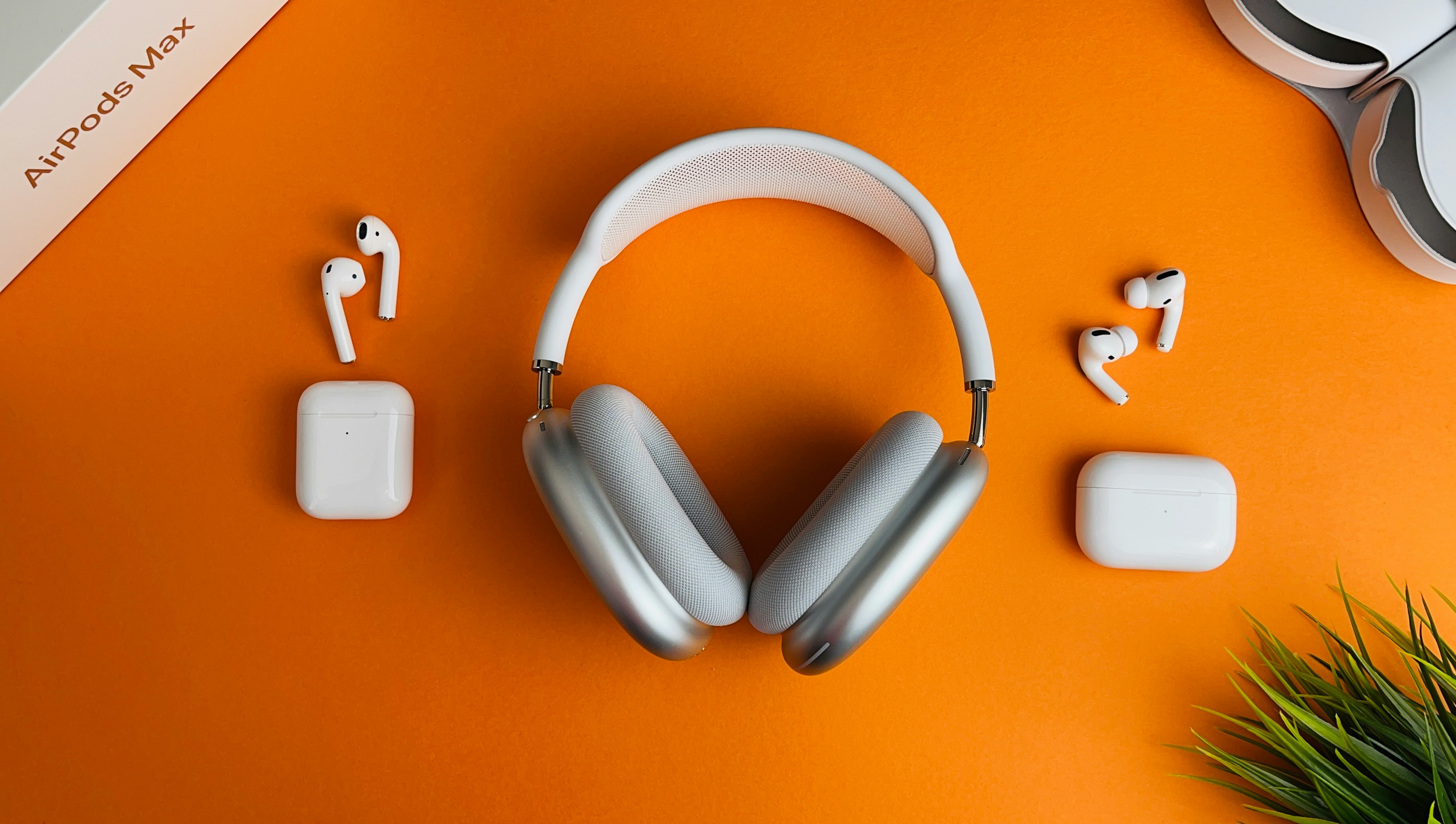
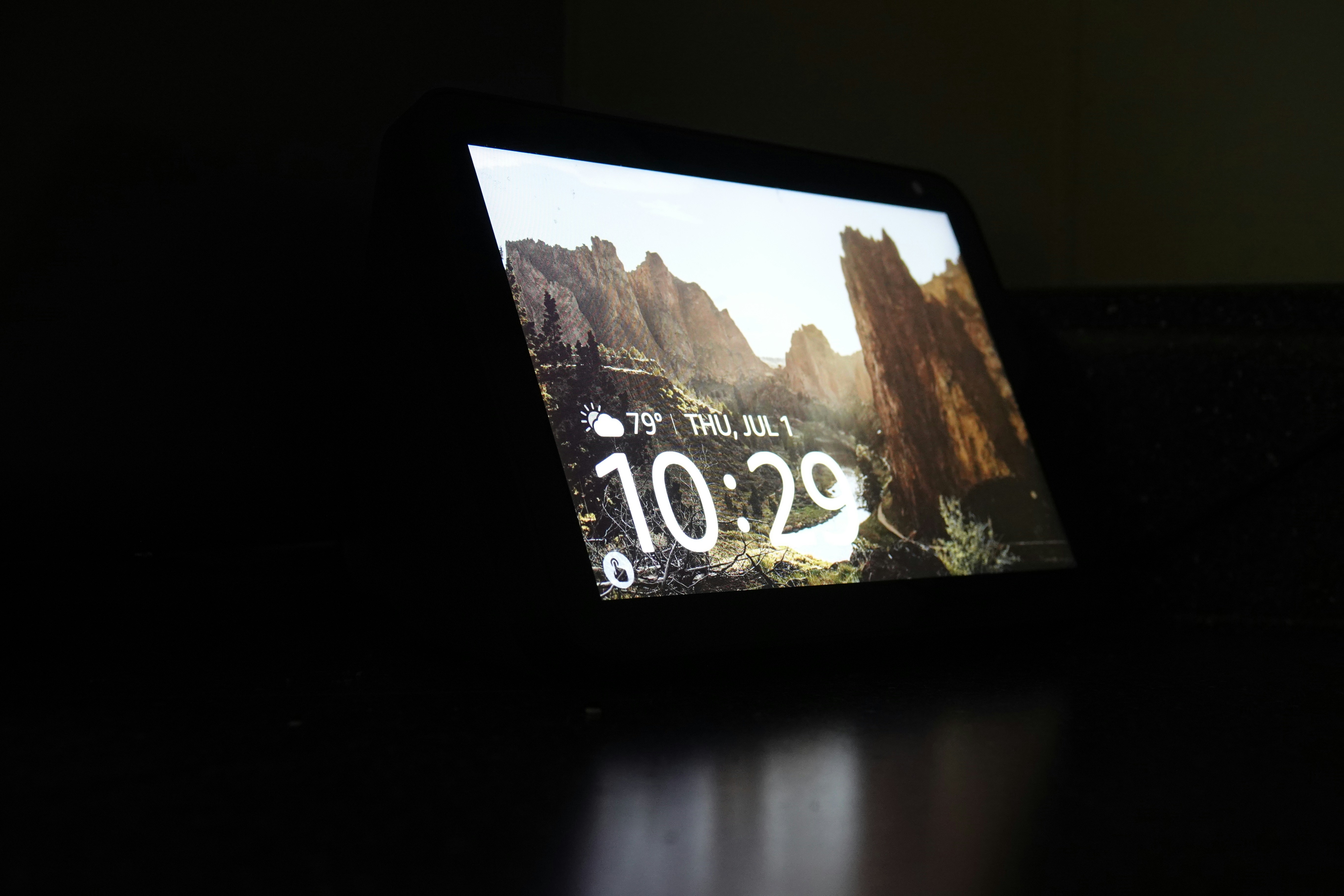
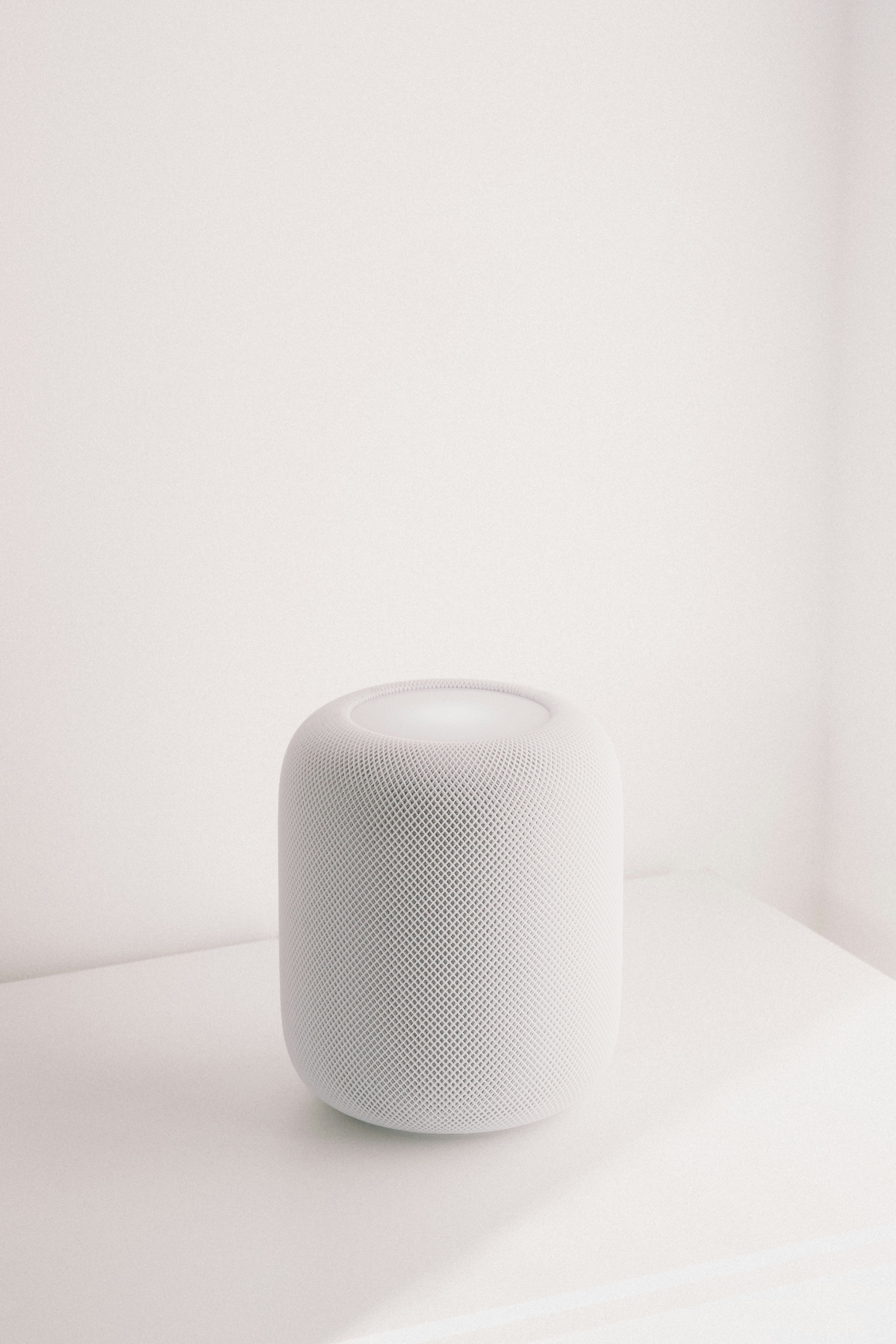
Smart speakers are the natural entry point: Amazon Echo, Google Nest, and Apple HomePod mini or HomePod offer voice control and music. Displays (Echo Show, Nest Hub) add touch and video. Choose based on your preferred assistant and existing devices. Apple users get the best experience with HomePod; Android and mixed households often prefer Google or Alexa. Matter support is rolling out across new models for unified control.
Smart Lighting
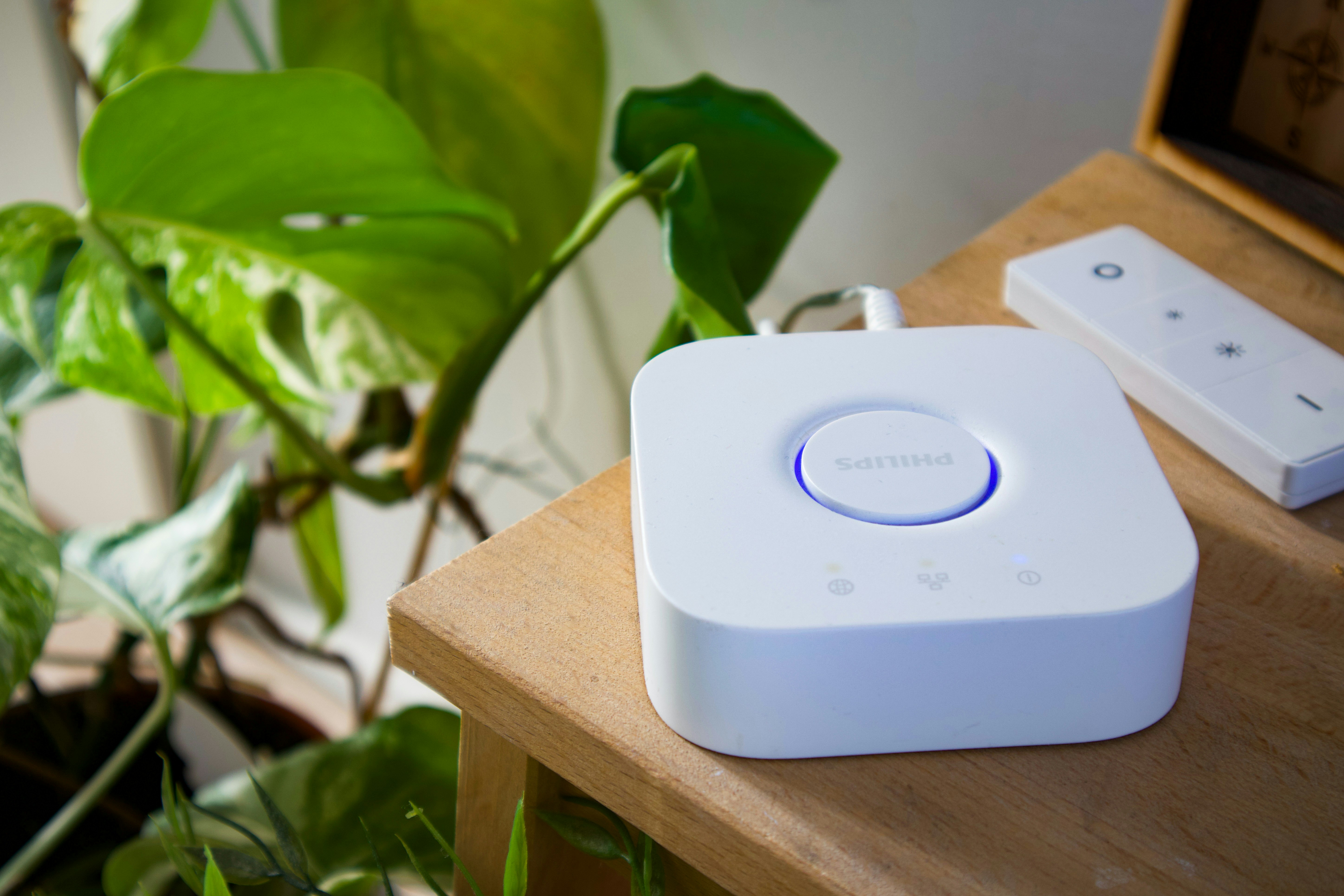
Philips Hue remains the gold standard for color and reliability but is pricey. Nanoleaf offers unique panels and Matter support. Budget options from TP-Link, Wyze, and others work with Alexa and Google. Consider a hub (Hue Bridge, or built-in with some routers) for more responsive control and offline capability. Smart bulbs vs switches: bulbs are easier to install; switches control existing fixtures and don’t depend on the bulb being “on.”

Thermostats, Cameras, and Security
Smart thermostats (Nest, Ecobee) learn your schedule and can save energy. Cameras (Ring, Arlo, Nest, Eufy) offer indoor and outdoor monitoring; check subscription requirements for cloud storage and person detection. Video doorbells reduce package theft and add convenience. For security, prefer devices with local storage options and strong privacy policies; avoid default passwords and enable two-factor authentication.
Matter and Compatibility
Matter is the new standard for cross-platform smart home control. Devices with Matter work with Alexa, Google, Apple, and others without vendor lock-in. Adoption is growing; when buying new devices, prefer Matter-certified products where available. Existing Zigbee and Z-Wave devices still work with compatible hubs; you don’t need to replace everything at once.
Price and Value
Smart home costs add up: a good speaker is $50–150; a starter lighting kit $60–200; a thermostat $150–250; cameras $30–200 each. Start small—one speaker and one type of device—then expand. Sales (Black Friday, Prime Day) often offer the best value on speakers and bulbs.
Device Categories at a Glance
| Category | Top picks | From |
|---|---|---|
| Speaker | Echo, Nest, HomePod mini | $50–$100 |
| Lights | Philips Hue, Nanoleaf, TP-Link | $15–$50/bulb |
| Thermostat | Nest, Ecobee | $150–$250 |
| Camera | Nest, Ring, Eufy, Arlo | $30–$200 |
Verdict
The best smart home setup in 2026 starts with an assistant you’ll use daily (Echo, Nest, or HomePod), then adds lights, a thermostat, or security based on your priorities. Prefer Matter where possible for flexibility. Don’t overbuy—expand gradually and choose devices that work together. Our full reviews cover specific models and setup guides; this roundup points you in the right direction.
FAQ
- Do I need a hub?
- Many devices connect via Wi-Fi and don’t need a separate hub. Zigbee and Z-Wave devices typically need a hub (or a speaker with built-in Zigbee, like some Echo models). Matter uses a border router (often a speaker or display).
- Which assistant should I choose?
- If you use mostly Apple devices, HomePod and Siri integrate best. For Android and flexibility, Google Assistant or Alexa are strong. Alexa has the most third-party skills; Google is strong for search and routines.
- Is Matter ready?
- Matter 1.2 and 1.3 are out; more devices support it each year. New purchases should prefer Matter when available. Existing non-Matter devices will keep working with their ecosystems.
Alex Chen
Staff writer, smart home and wearables.